Sites built for heavy loads.
Logistics parks, rail spurs, heavy-haul paving, site utilities and tilt-up buildings, delivered on a schedule where rail, power and paving are sequenced so tenants can start shipping when they move in.
What owners need from us.
Ground has to carry the load
Trucks, cranes and railcars put heavy, repeated loads on the site. Subgrade, base and pavement have to be designed and built for them.
Rail and utilities set the plan
Rail spurs, power service, water and sewer often have the longest lead times. They have to start first so the buildings are not waiting.
Tenants need speed
Industrial owners lease on delivery dates. Sitework, building shells and paving run in parallel to meet them.
What we build.
- 01
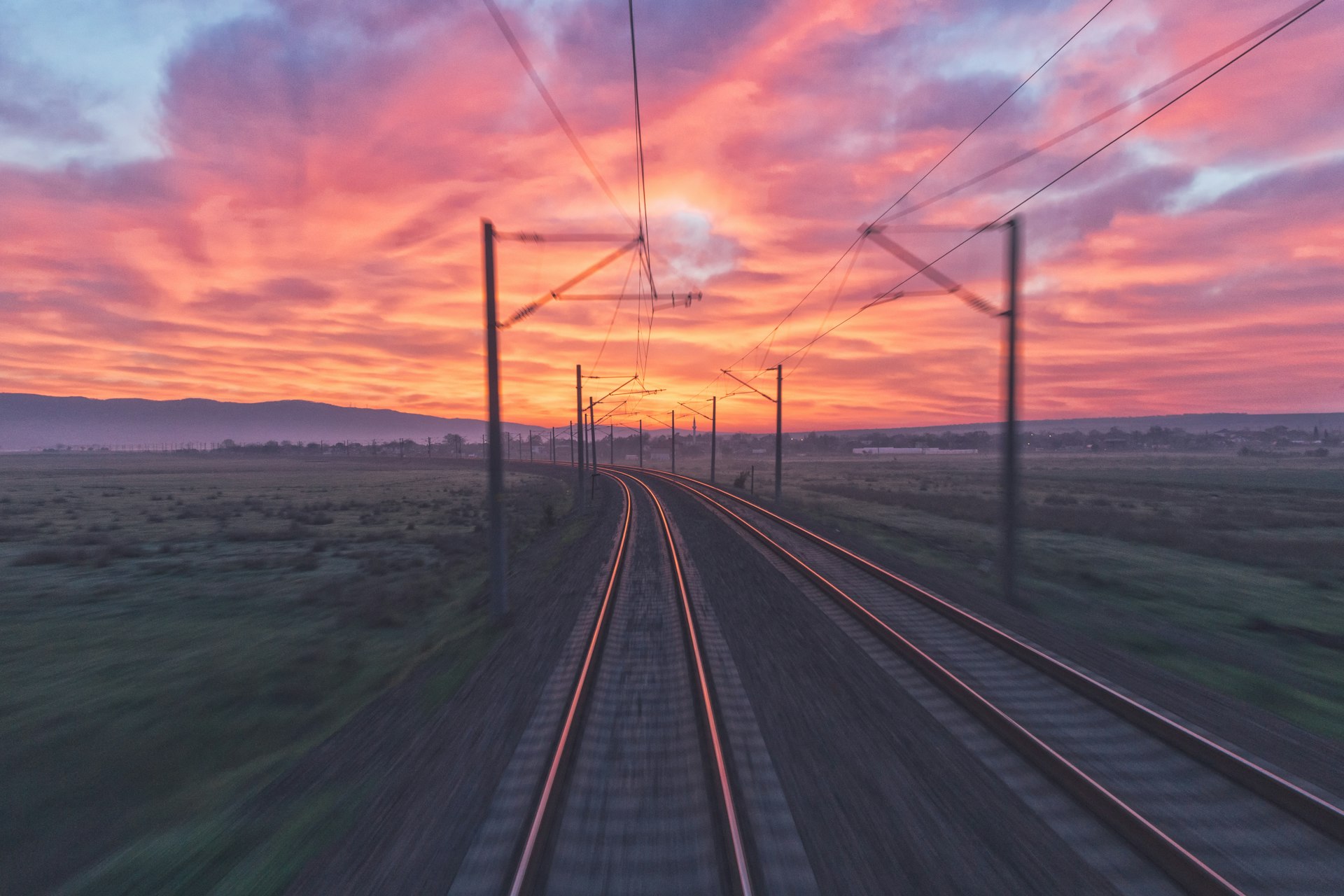
Rail spurs and yards
Track, turnouts, crossings and loading areas tied into the serving railroad.
- 02
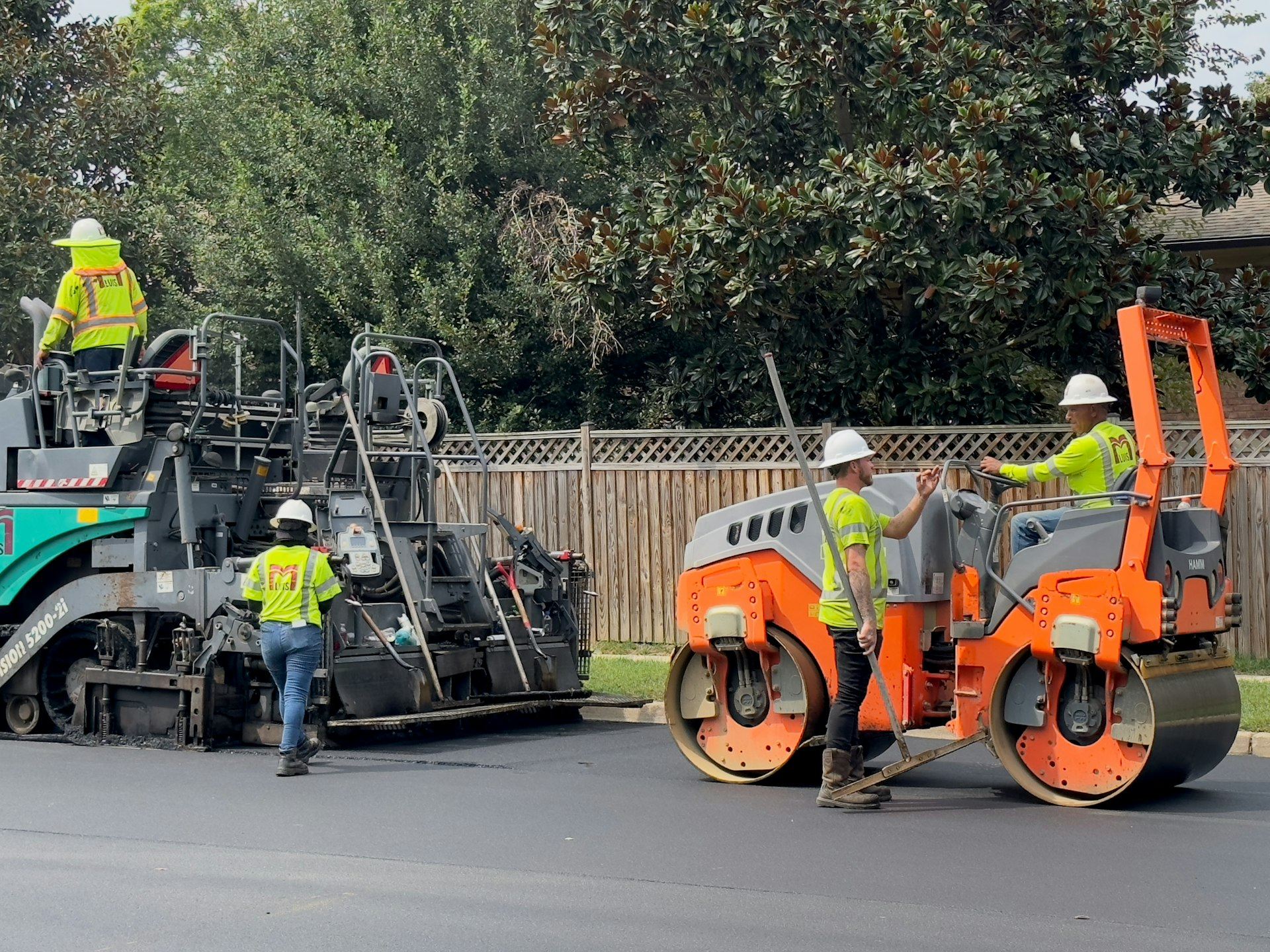
Heavy-haul paving
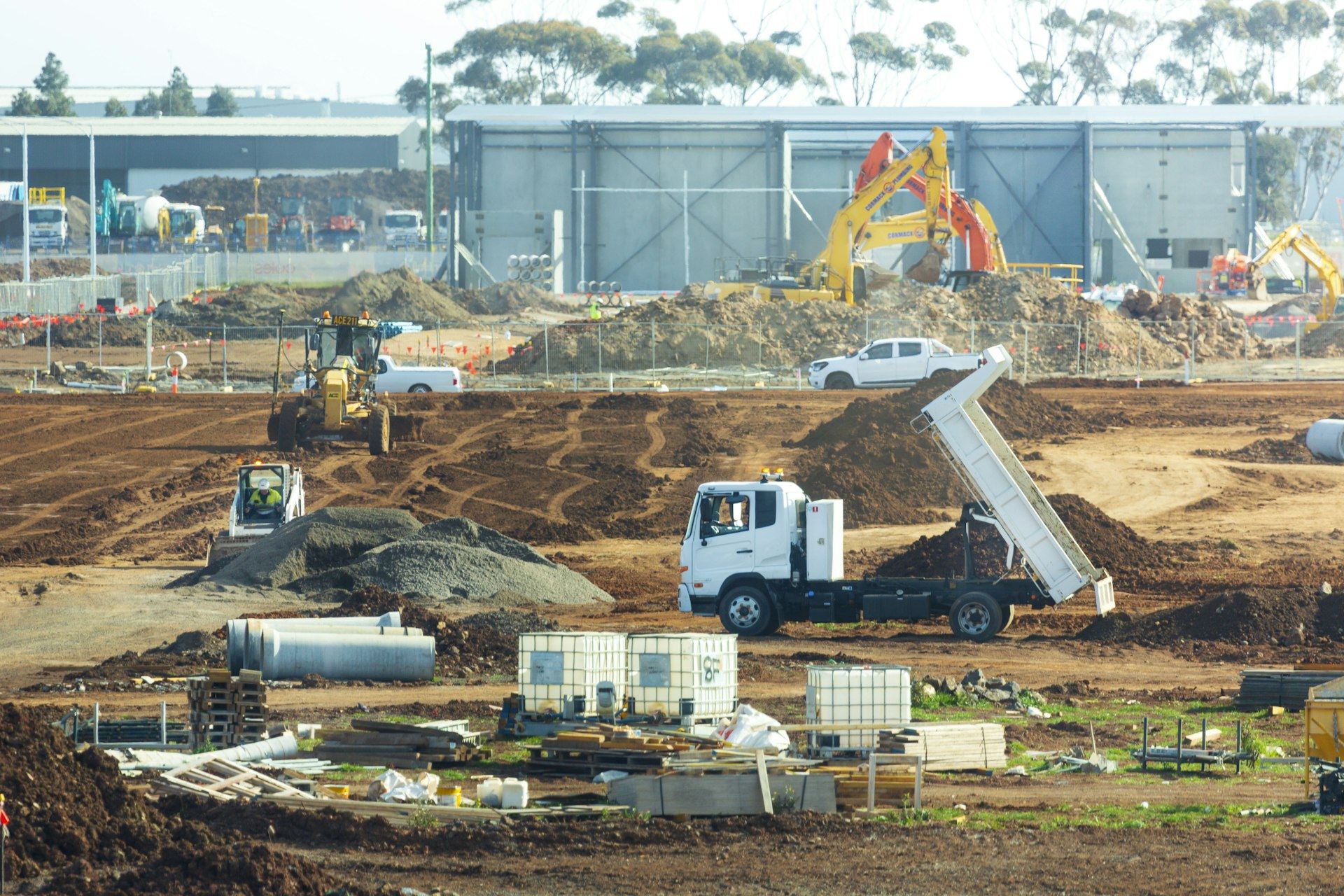
Truck courts, container yards and haul roads in concrete or asphalt over stabilized subgrade.
- 03
Site utilities
Water, sewer, storm drainage, power duct banks and fire loops for whole parks.
- 04
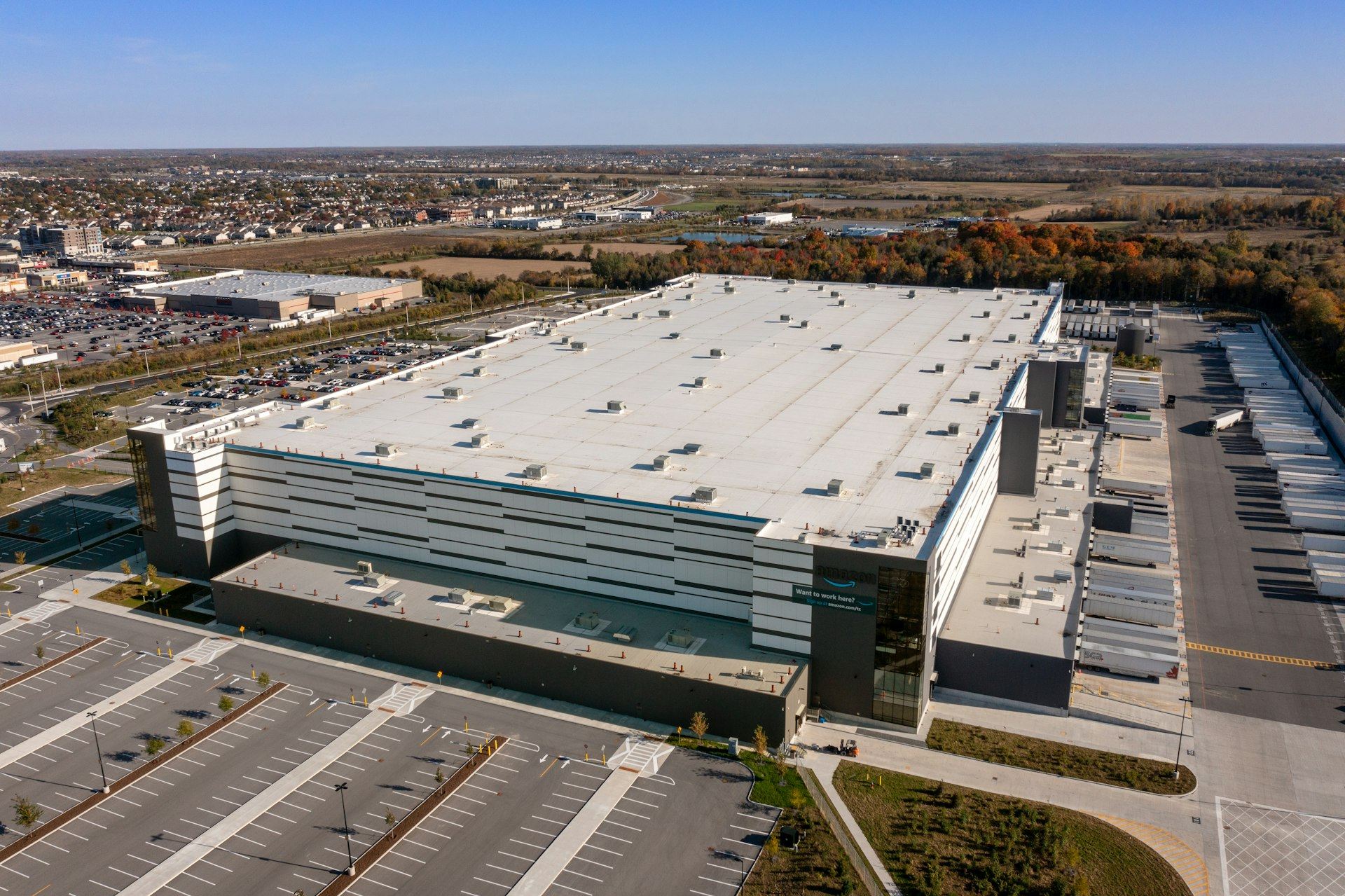
Tilt-up and pre-engineered buildings
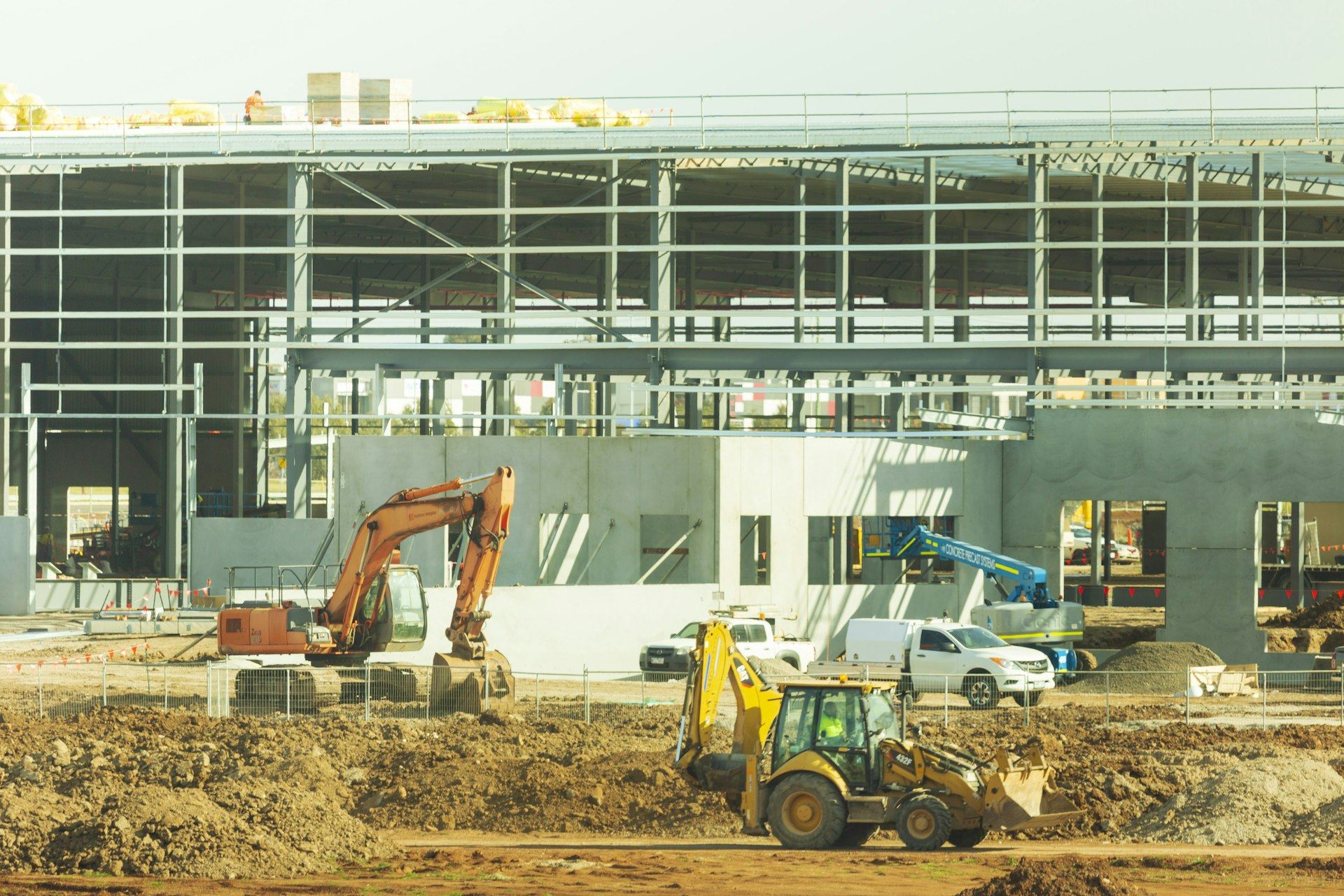
Distribution centers and plants with tilt-up walls cast on site and long-span roofs.
How we deliver here.
The capabilities owners in this market rely on most.
Site, rail and building design under one contract to shorten the path to occupancy.
Our own crews for mass grading, utilities, rail and heavy paving.
Tilt-up panels formed, cast and lifted by our own concrete crews.
Switchgear, rail materials and dock equipment ordered early and tracked to site.
Validated in the schedule, not after it.
On a design-build industrial plant with a regulated process, validation engineers belong on the team from kickoff. Clean areas are built under a staged protocol, critical welds are documented as they are made, and systems are turned over in a planned sequence so qualification runs alongside finishing work instead of after it.
- Kickoff
- Validation on the team
- As made
- Weld documentation
- By system
- Turnover sequence
Questions owners ask us.
Can you build rail spurs that tie into a serving railroad?
Yes. We design and build to the railroad’s standards and coordinate track work, inspections and the connection with the railroad itself.
How do you design pavement for heavy truck traffic?
We start with geotechnical data and expected loads, then size subgrade stabilization, base and pavement to carry repeated heavy axles.
Do you build the buildings as well as the site?
We do. Our crews cast and lift tilt-up walls while sitework continues, so the shell and the site finish together.

Planning a industrial infrastructure project?
Send us your scope, target date and biggest concern. A senior Jacob Wiseman lead will read it personally.