Building care without interrupting it.
Acute-care towers, outpatient centers and renovations inside working hospitals, delivered by teams who understand infection control, uptime and clinical workflow.
What owners need from us.
Patients cannot be moved
Most healthcare work happens next to occupied rooms. Noise, vibration, dust and utility shutdowns must be planned to the minute.
Systems are life safety
Medical gas, emergency power and pressurization are not ordinary building systems. They have to work the first time.
Technology changes mid-project
Imaging equipment, IT and clinical layouts evolve during construction. The building has to adapt with them.
What we build.
- 01
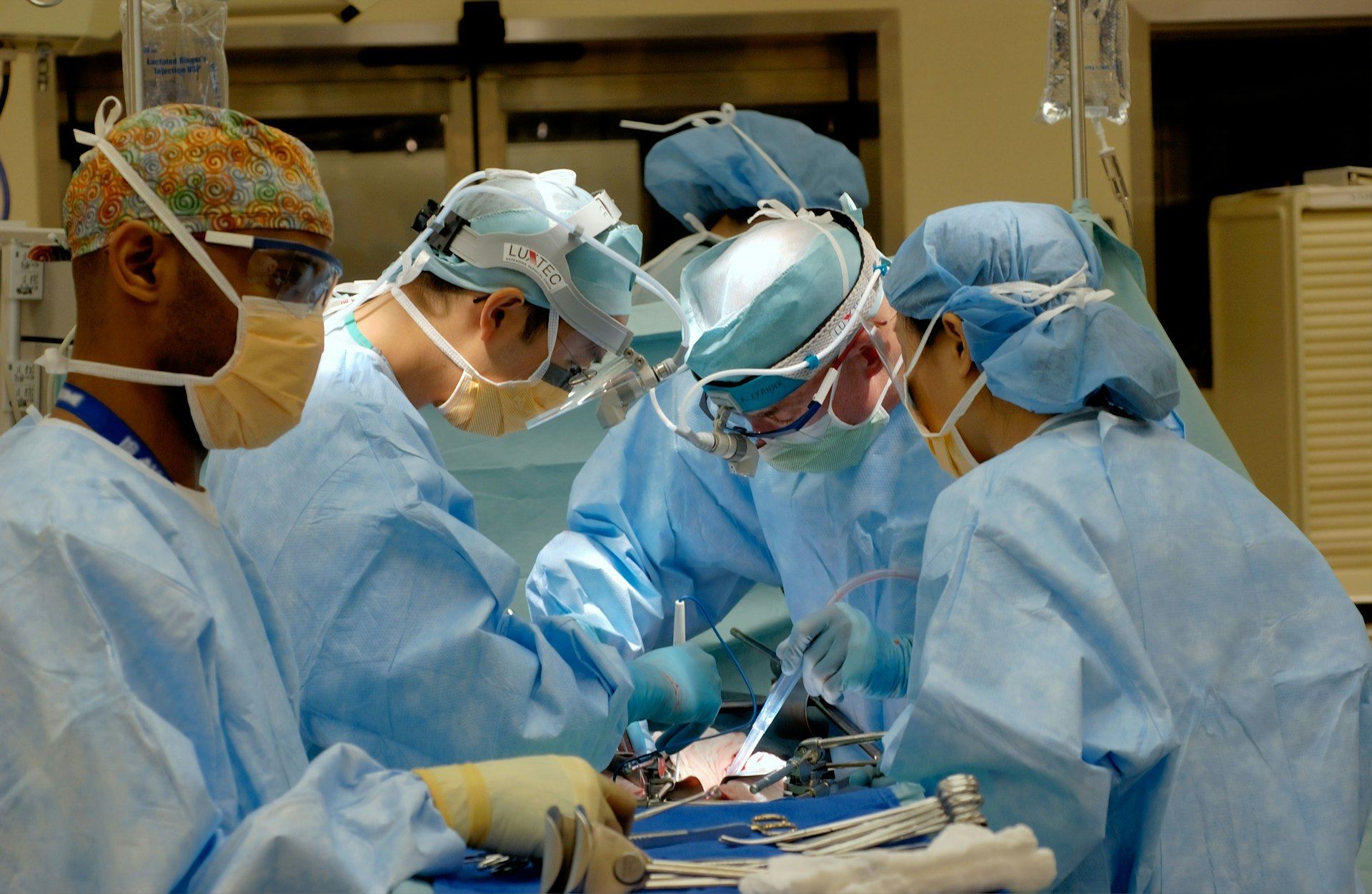
Acute-care hospitals
Bed towers, emergency departments, surgical suites and central plants.
- 02
Outpatient and ambulatory centers
Clinics, imaging centers and ambulatory surgery built for speed and patient flow.
- 03
Medical office buildings
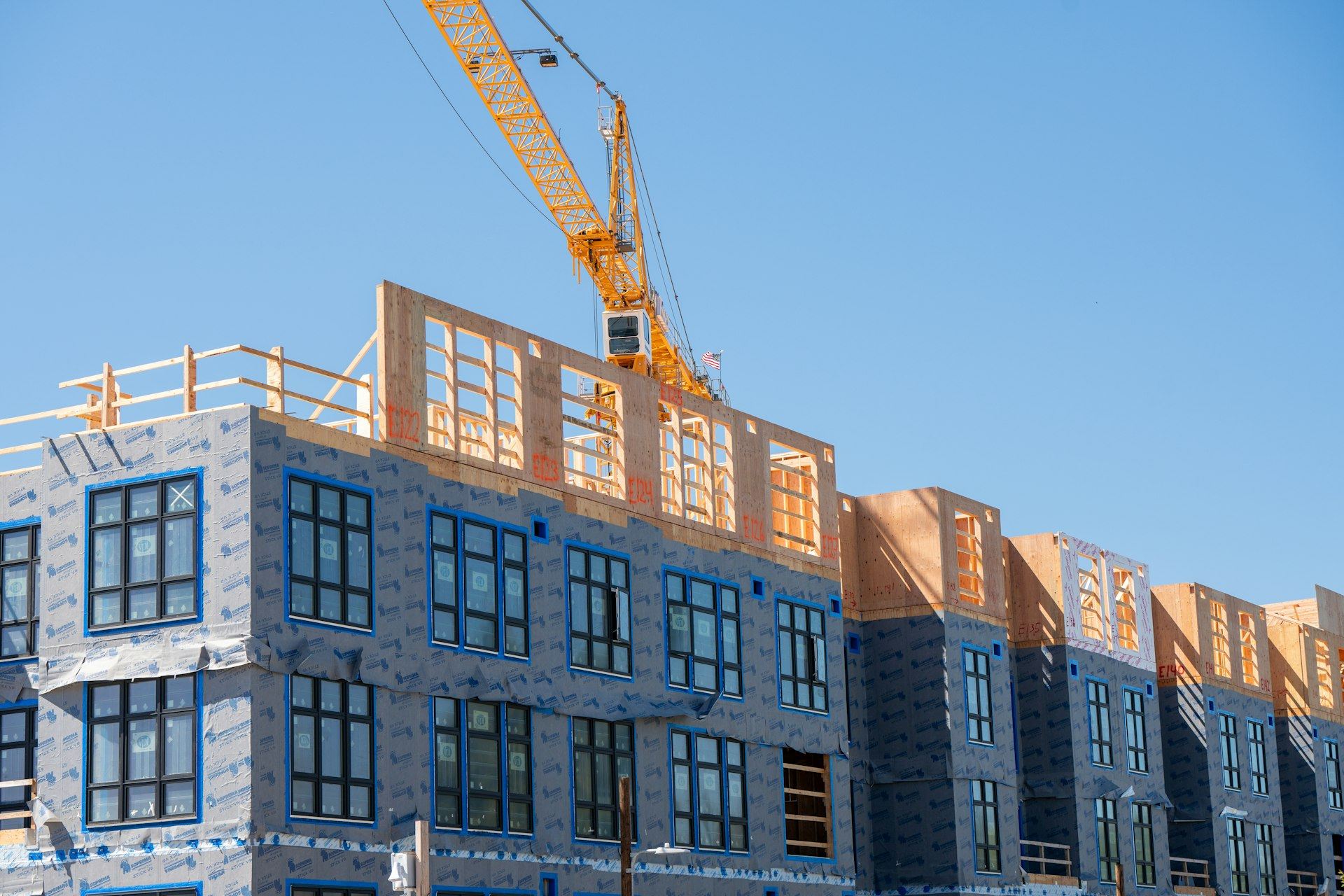
Core and shell plus tenant fit-out for physician practices.
- 04
Renovations in occupied facilities
Phased upgrades with infection control risk assessments and after-hours shutdowns.
How we deliver here.
The capabilities owners in this market rely on most.
CM at-risk with a guaranteed maximum price and early trade input.
Coordinated 3D models of dense overhead mechanical and medical gas.
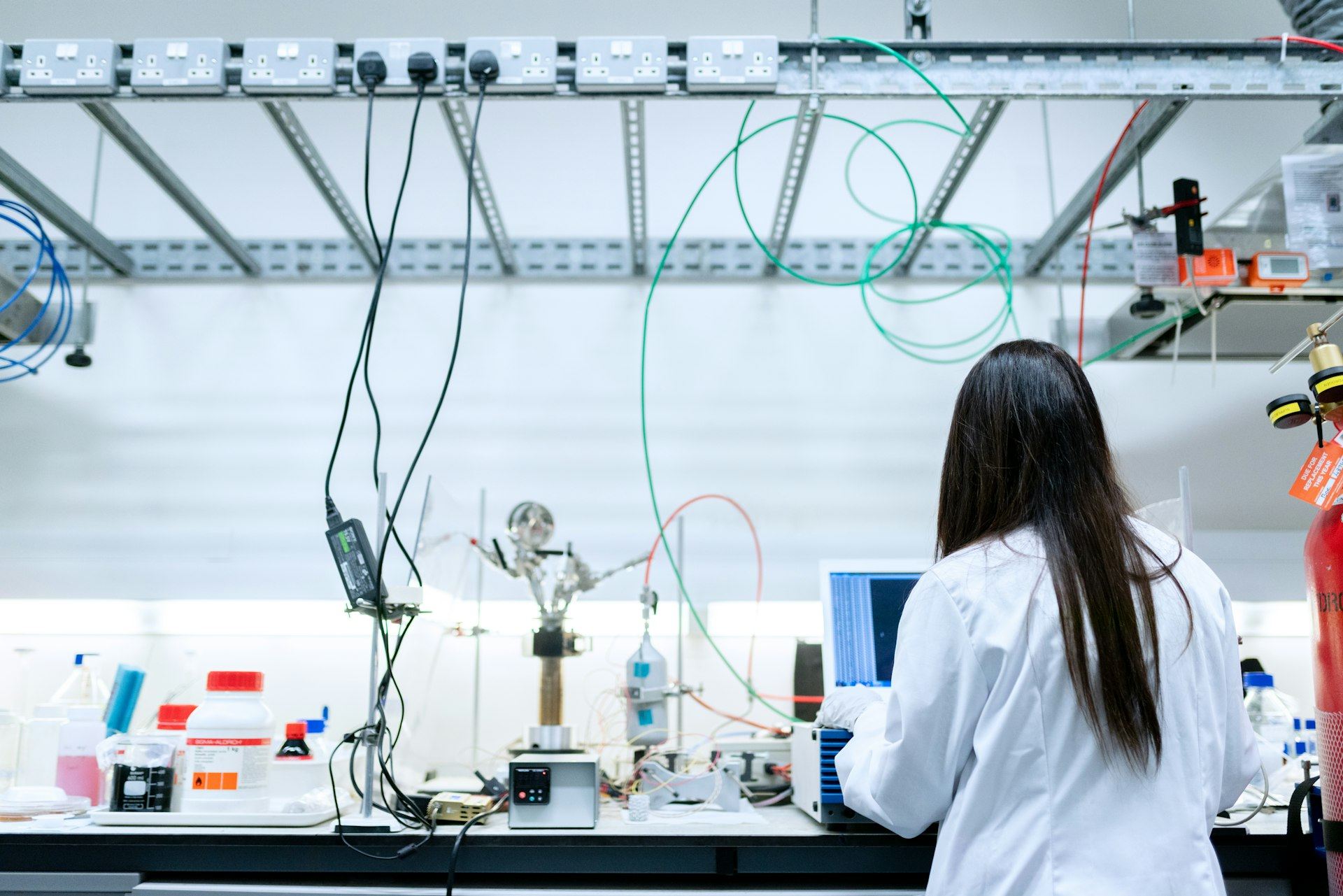
Commissioning of emergency power, pressurization and medical gas.
Move planning, activation and staff training scheduled as milestones, not afterthoughts.
A crisis center ready for its first night.
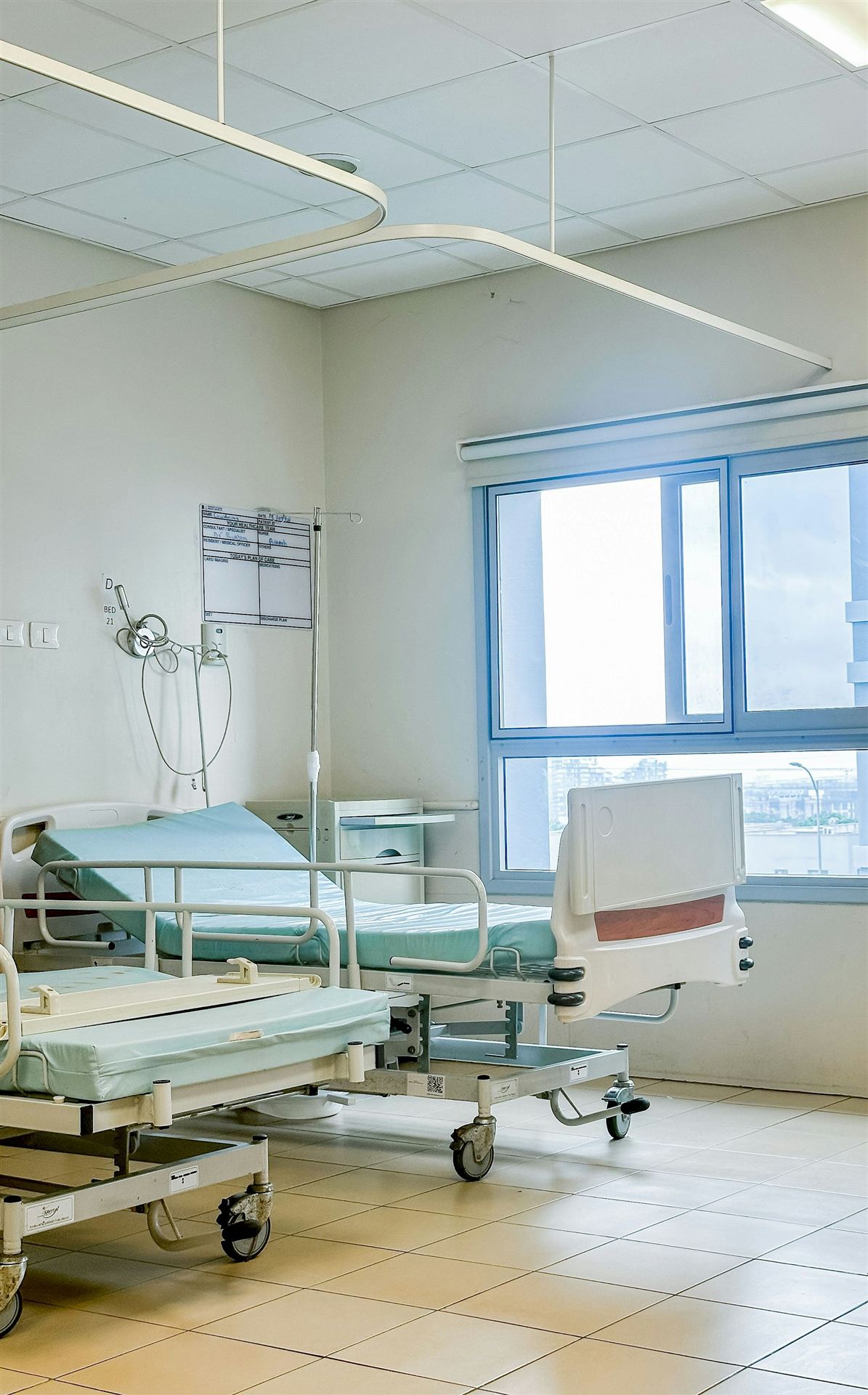
On a behavioral health hospital under CM at-risk, clinicians sign off full mockups of patient and seclusion rooms before the repetition starts, every fixture is tracked in a room-by-room ligature register, and staff training in finished units is a dated milestone on the schedule. If that milestone comes under pressure, the hospital hears about it with options, weeks ahead.
- Full
- Room mockups signed by clinicians
- Room by room
- Ligature register
- Dated
- Training milestone
Questions owners ask us.
How do you control infection risk during renovations?
Every phase starts with an infection control risk assessment agreed with the hospital. Barriers, negative air and daily inspections follow from it.
Can you work while the hospital stays fully operational?
Yes. We plan shutdowns, noisy work and deliveries around clinical schedules, show each one in the three-week look-ahead the hospital receives, and rehearse critical tie-ins before they happen.
Do you help with move-in and activation?
Our facilities and transition team plans equipment, staff training and patient moves so the building is ready for its first patient.

Planning a healthcare project?
Send us your scope, target date and biggest concern. A senior Jacob Wiseman lead will read it personally.