

Preconstruction to closeout, under control.
From preconstruction through closeout, we plan around what crews can safely execute, coordinate trades around critical milestones, and keep clients informed when conditions change.
Five stages. One plan.
The same plan runs from the first estimate to the final accounting. Each stage inherits it, tests it and hands it on.
Preconstruction
Find the approvals, materials and trade handoffs that could hold up the build, and plan around them before work starts.
Buyout and mobilization
Lock long-lead orders, award trade scopes against the milestone plan and set up the site, laydown and logistics.
Construction
Run the work to a look-ahead built with the crews, compare it with the field every week and raise issues early.
Commissioning and turnover
Test, balance and prove the systems on a schedule that was planned from the start, not squeezed at the end.
Closeout
Close the punch list, hand over the documents, train the people who will run the building and settle the final cost.
Find what could hold up the build.

- P1
A constraints log from the start
Permits, utility releases, design approvals, owner decisions and access agreements, each with an owner and a date it is needed by.
- P2
Long-lead procurement planned early
Switchgear, generators, air handlers, curtain wall and structural steel are tracked from submittal to delivery, with release dates tied to the schedule.
- P3
Durations crews can actually hit
Activity durations and sequences are built with superintendents and trade foremen, from real crew sizes, access and safe work methods.
- P4
Milestones that mean something
Dry-in, permanent power, ceiling close-in and start of commissioning are set as critical milestones, with the trade handoffs that feed each one.
- P5
An owner decision schedule
Every decision the owner will need to make is listed with the date it is due and what waiting would cost in time and money.
Trades coordinated around critical milestones.
Most delays start at a handoff. One trade finishes late or leaves an area half done, and the next crew arrives to work it cannot start. We plan those handoffs as carefully as the work itself.
A three-week look-ahead built with the trade foremen. Each activity has a crew, a start date and the work that has to be finished before it.
An area is released to the next trade only when the work before it is complete, inspected and clear. No half-finished handoffs.
Progress toward each critical milestone is measured against the plan, so slippage on one trade is visible before it reaches the next.
Trades working above, below and beside each other sort out overlaps, access and deliveries in the trailer, not on the deck.
Every open submittal and RFI has a named owner and a due date tied to the activity that needs the answer.
The plan, checked against the field.
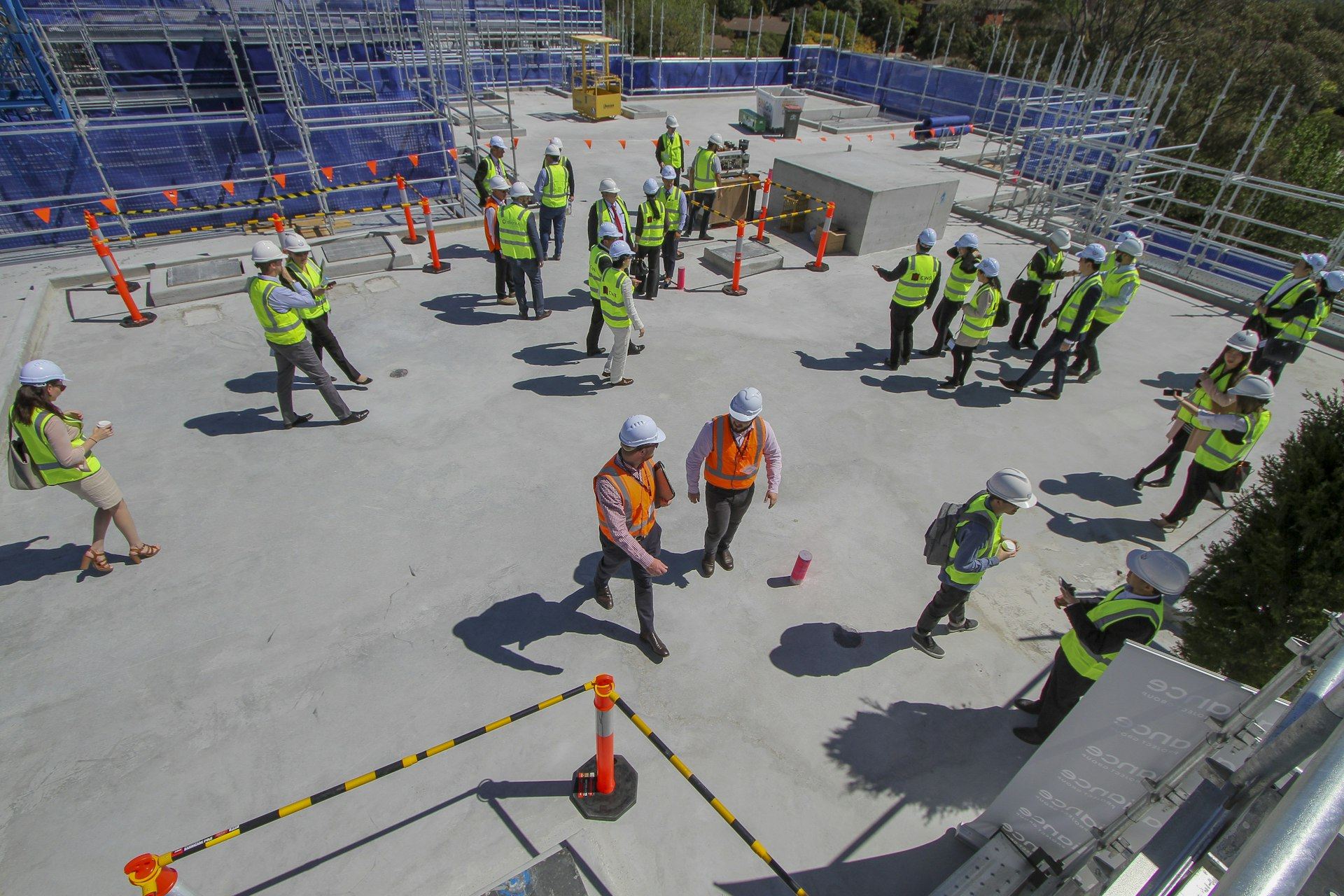
Every week the schedule is updated from what crews are actually seeing on site: work in place, crews on the deck, deliveries received, inspections passed. Where the plan and the field disagree, we find out why, show the effect on the milestones that follow and take it to the owner while there is still time to act.
When conditions change, the owner hears first.
Weather, late material, a design change or a failed inspection. The question is not whether something will change. It is how early the owner knows and how clear the choices are.
Raise it early
An issue goes to the owner the week we see it, with what we know, what we do not know yet and when we will.
Bring options
Resequence, add a crew, change a material or accept the delay. Each option comes with its effect on cost, time and the next trade.
Decide and record
The owner chooses. The decision, the date and the reasoning go into the decision log, and the plan is updated the same week.
Finish what we committed to deliver.
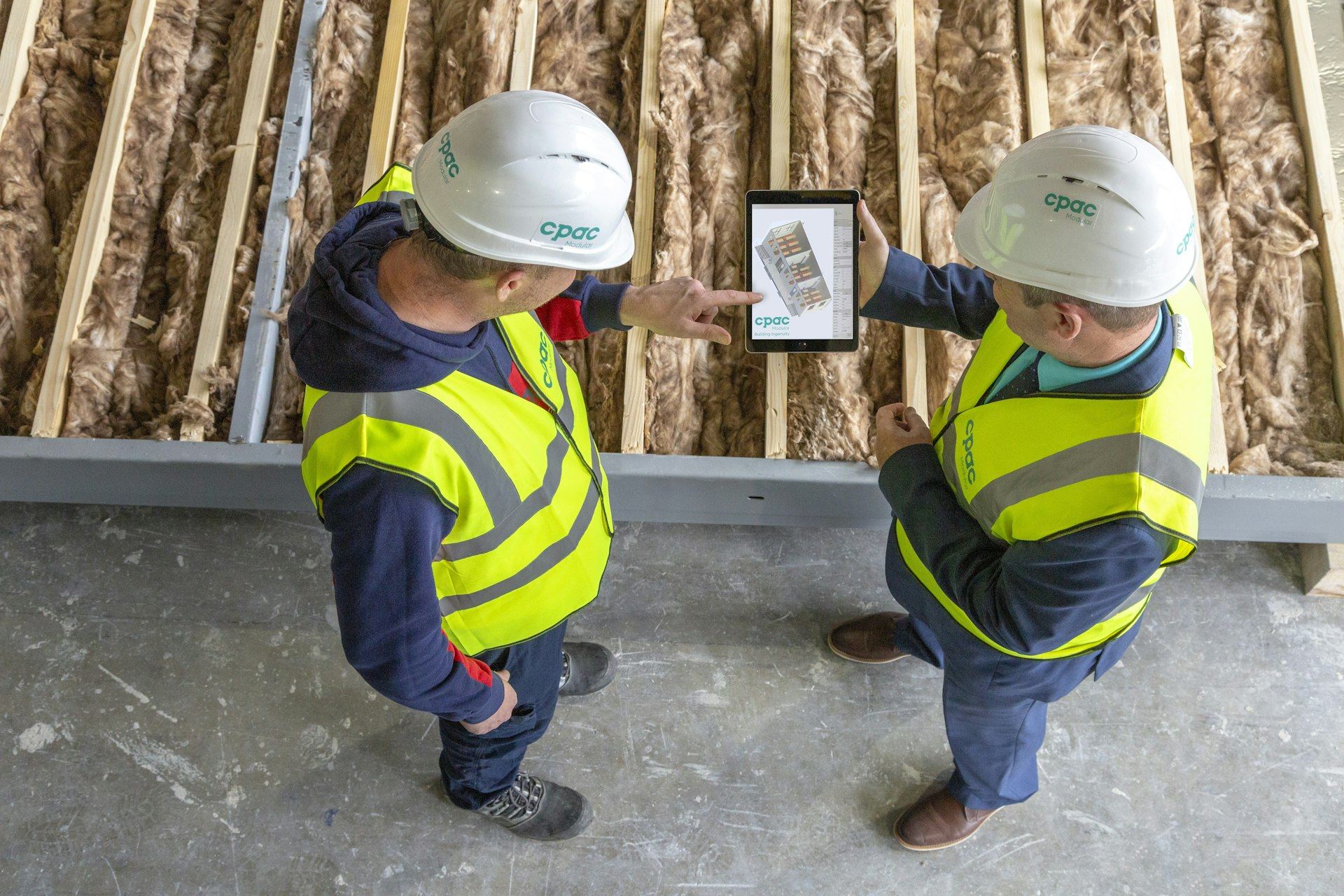
Closeout is where accountability is easiest to lose. We plan it from preconstruction, so the last month of the job is not the hardest one.
- Punch as we goAreas are punched and closed as they finish, so the final list is short and the walk-through is not a repair project.
- Commissioning on the critical pathStartup, testing and functional checks are scheduled activities with their own durations, predecessors and owners.
- Documents handed over completeAs-builts, O&M manuals, warranties and attic stock are collected during the work, not chased after it.
- Training for the people who run itFacility teams are trained on the systems before turnover, with sessions recorded where the owner wants them.
- A final cost with no surprisesChanges, allowances and contingency have been reported all along, so the final accounting confirms what the owner already knows.
The method, in practice.
When should we bring Jacob Wiseman in?
As early as you can. The most useful work happens in preconstruction, while approvals, long-lead orders and owner decisions can still be planned around rather than recovered from.
Does this method change with the delivery model?
The contract changes. The discipline does not. Under general contracting, construction management or design-build, the plan is built with the crews, tracked against the field and reported to the owner the same way.
How often will we see an updated schedule?
Weekly look-aheads and a regular schedule update, agreed with you at the start. Between updates, issues that affect a critical milestone come to you as soon as we see them.
What does safe execution have to do with the schedule?
Everything. A plan that only works if crews rush or skip steps is not a plan. Durations and sequences are built around safe work methods first, and recovery options never trade safety for time.
Bring us in before work starts.
Send us your scope, your target date and the concern that keeps coming back. We will show you where the plan needs attention first.