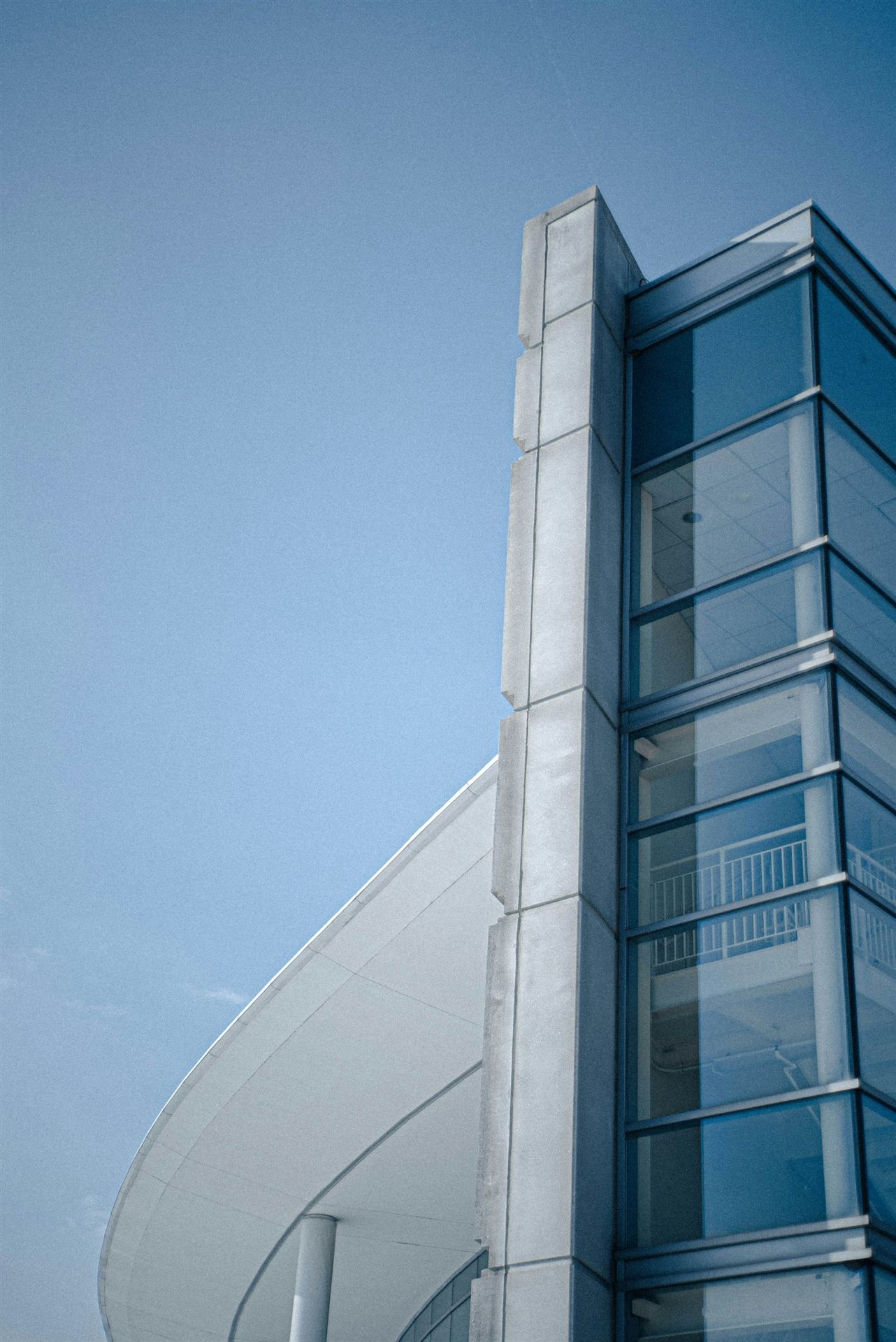
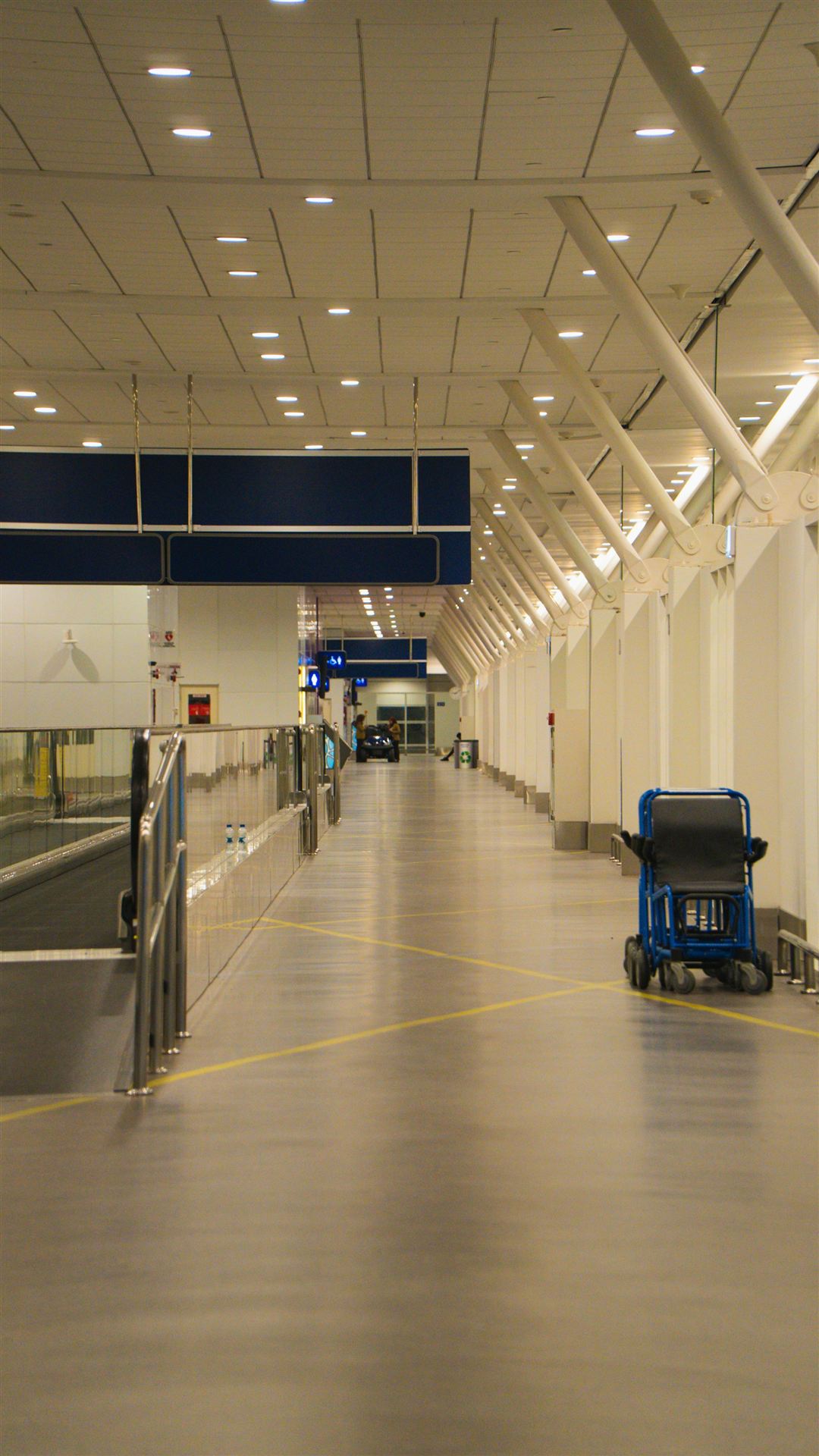
Our terminal concourse expansion is a good example of what a fixed date really means. Airlines published schedules from the 18 new gates before construction was complete, so every gate had a date it had to open. We delivered the concourse as construction manager at-risk, airside, next to active gates, and no scheduled flight lost its gate to construction.
Security planned before the first truck
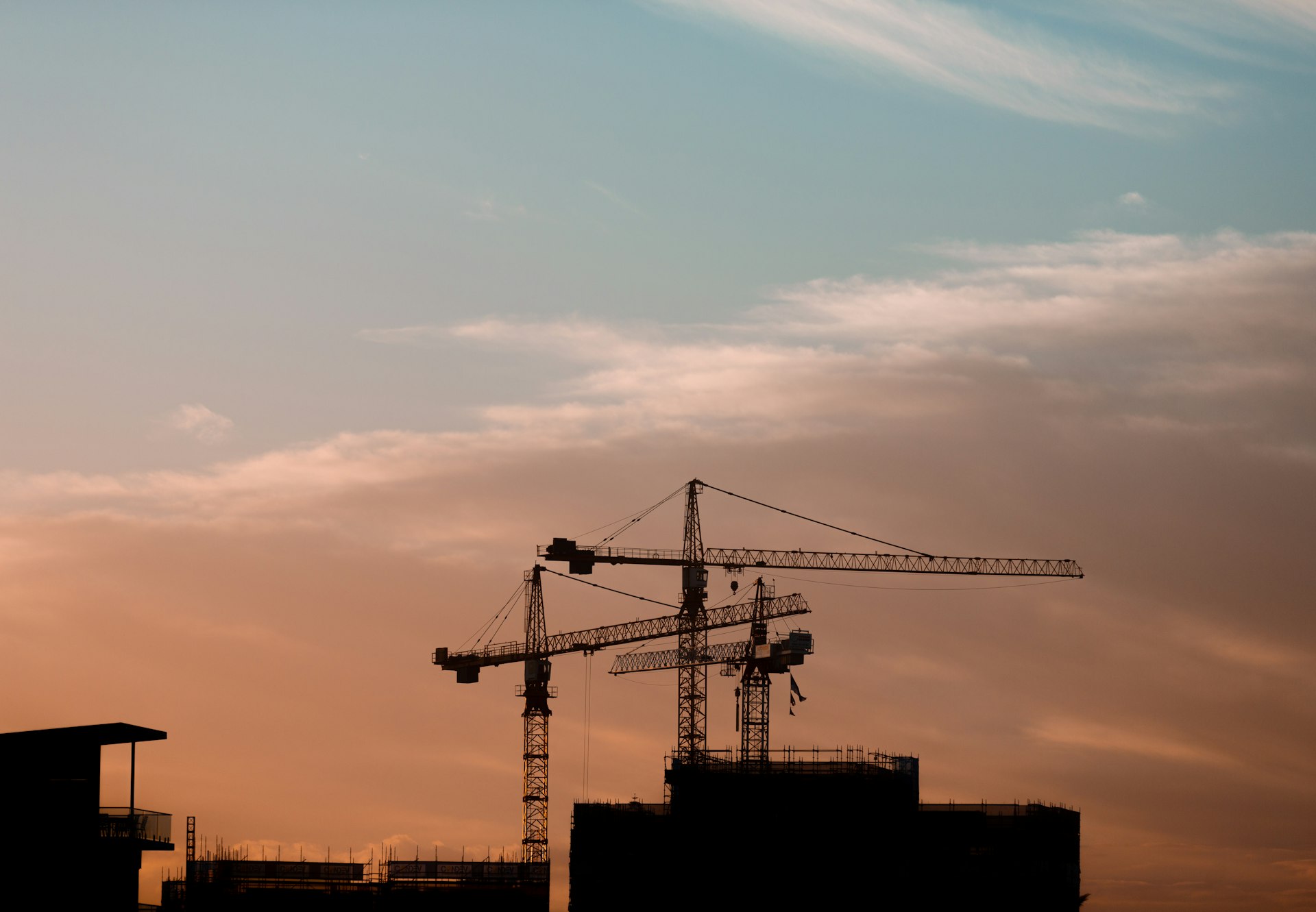
The concourse sat inside the secure area of a busy airport. Every worker and delivery passed screening, and cranes had to stay below protected airspace. Badging, screened deliveries, crane heights and escort plans were approved before mobilization, so security lead times were in the schedule from the start instead of becoming the bottleneck later.
Tie-ins by the hour
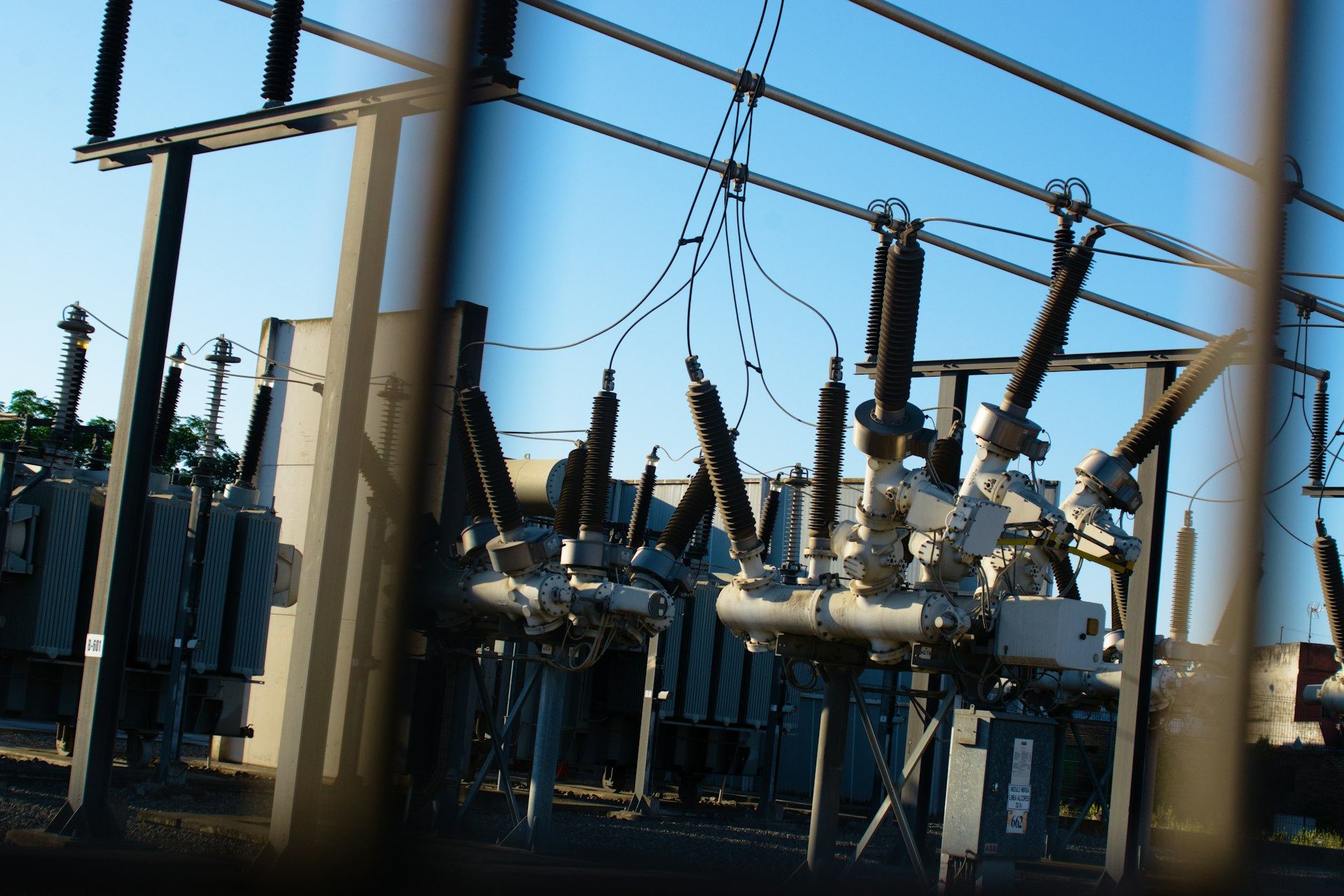
The new concourse had to connect to existing security, baggage and fueling systems and to jet bridges at working gates. Those connections were made in overnight windows, 112 of them over the job. Each window had an hour-by-hour plan, named people for every step and a ready backout, so if a step ran long the gate could still open for the first morning flight.
Airlines sell seats months ahead. Our schedule had to be just as fixed, and the airport had to be able to see that it was.
Project executive, Jacob Wiseman
Every gate visible every week
Each gate had its airline opening date on the schedule, and the airport saw every week which gates were under pressure and why. That gave the airport and the airlines time to make decisions, such as moving a finish package or accepting a temporary arrangement, before a date was at risk rather than after.
Before the first revenue flight, airport and airline staff ran trial days with mock passengers and bags. The first departure left on its date.